Interior design is more than just decorating a room; it is the art of telling a story through color palettes, furniture silhouettes, and architectural details. Whether you are drawn to the raw beauty of sustainable design or the lush layers of a maximalist living room, understanding different interior design styles helps you create a home that feels intentional.
In this ultimate guide, we will explore the most iconic aesthetics—from Mediterranean warmth to Japanese simplicity. We will cover NLP-friendly concepts like focal points, negative space, layering, scale and proportion, and pattern mixing. By the end, you will know exactly how to identify period revival pieces and create a biophilic connection in your own space.
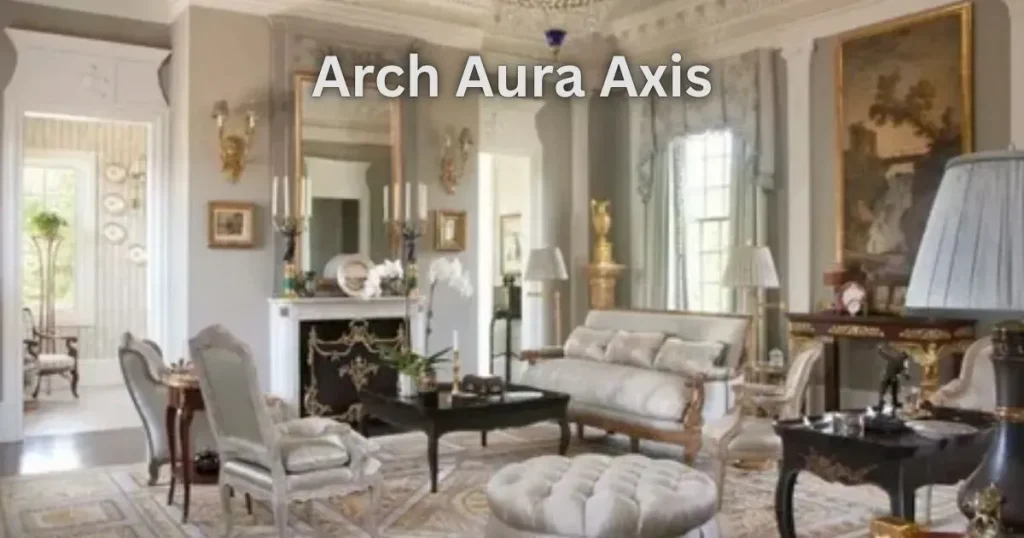
Interior Design Styles Defined: How to Nail the Look You Love
Before diving into specific eras, it is crucial to understand the building blocks of design. Every style relies on a balance of textures and materials, from linen and velvet to reclaimed wood and clay plaster. The difference between a cozy English cottage and a dramatic Art Deco lounge lies entirely in how these elements are layered.
Art Deco (1920s – 1940s)
Art Deco Color Palette
Jewel tones (emerald, sapphire), black lacquer, and metallic gold.
Key Art Deco Materials
Ebony wood, mirrored glass, chrome, and terrazzo.
How to Identify Art Deco Furniture
Geometric inlays, stepped shapes, curved fronts, and sunburst motifs.
Art Deco is the ultimate expression of glamorous luxury. Emerging after World War I, this style rejected the soft curves of Art Nouveau in favor of sharp lines, symmetry, and industrial materials. In a modern home, you can introduce Art Deco through a focal point like a mirrored credenza or a velvet armchair with dramatic furniture silhouettes.
Mid-Century Modern (1940s – 1960s)
Mid-Century Color Palette
Mustard yellow, olive green, teal, and warm walnut.
Key Mid-Century Materials
Molded plywood, fiberglass, rattan, and metal hairpin legs.
How to Identify Mid-Century Furniture
Tapered legs, organic curves, and minimalist forms that prioritize function.
No list of interior design styles is complete without Mid-Century Modern. This style emphasizes negative space and clean lines. It masters scale and proportion by keeping furniture low to the ground. The biophilic connection is strong here, thanks to large windows and the use of natural wood.
Scandinavian Design (1930s – Present)
Scandinavian Color Palette
White, pale gray, beige, and muted pastels (dusty pink, sage).
Key Scandinavian Materials
Light ash wood, sheepskin, linen, and clay plaster.
How to Identify Scandinavian Furniture
Curved but simple silhouettes, visible joinery, and functional layering of textiles.
Scandinavian design is the king of serene living. It prioritizes cozy elements (known as hygge) through soft lighting fixtures and warm textures. Unlike minimalist spaces that can feel cold, Scandinavian design uses textures and materials to add warmth without clutter.
Industrial & Brutalism
Industrial Color Palette
Black, charcoal, exposed brick red, and concrete gray.
Key Industrial Materials
Steel, iron, concrete, and reclaimed wood.
How to Identify Industrial Furniture
Raw finishes, exposed pipes, and utilitarian forms (think factory carts used as coffee tables).
Brutalism takes industrial design to its most minimal extreme. Named after béton brut (raw concrete), this style celebrates architectural details like raw seams and blocky forms. For a softer take, mix velvet upholstery with a concrete coffee table to balance dramatic hardness with softness.
Hollywood Glam (Old Hollywood)
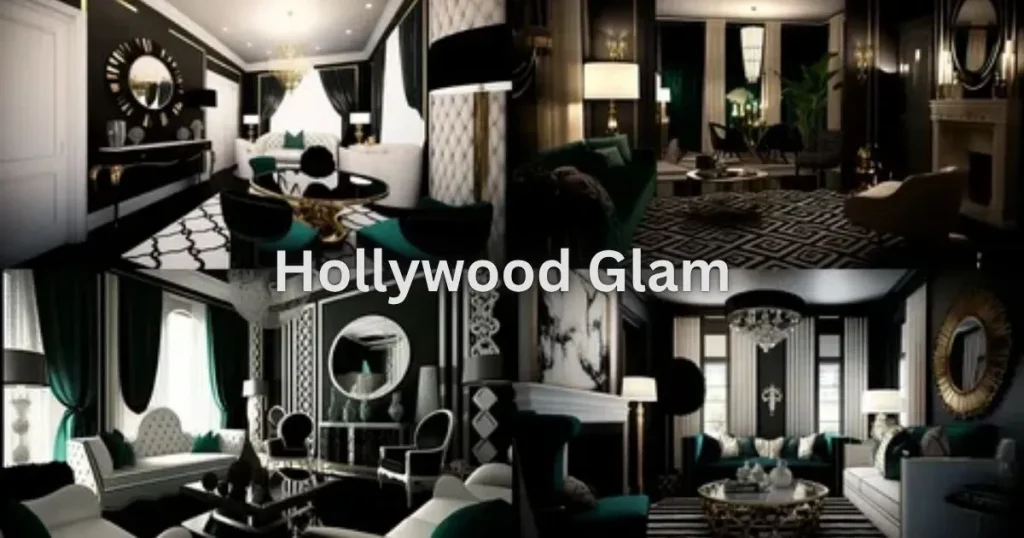
Hollywood Glam Color Palette
Cream, black, silver, and bright white with high contrast.
Key Glam Materials
Velvet, lacquered wood, mirrored glass, and polished brass.
How to Identify Glam Furniture
Tufted headboards, curved sofas, and acrylic or glass tables.
Hollywood Glam is the style of dramatic movie star mansions from the 1930s. This style ignores minimalist rules entirely. The focal point of a glam room is usually a luxurious lighting fixture—think a cascading crystal chandelier or a gold starburst sconce.
Neoclassical & Traditional
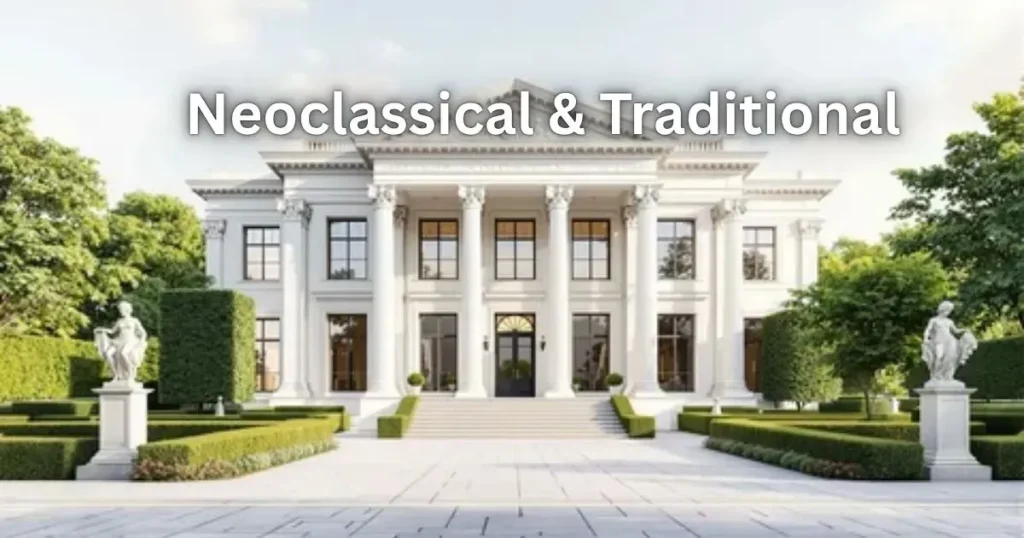
Neoclassical Color Palette
Powder blue, blush pink, cream, and umber.
Key Neoclassical Materials
Marble, mahogany, brass, and silk.
How to Identify Neoclassical Furniture
Symmetrical shapes, fluted legs, urn motifs, and restrained ornamentation.
Traditional vs. Transitional is a common debate. Traditional (including Neoclassical) relies on period revival details like crown molding and claw feet. Transitional design softens these rules by mixing a traditional sofa with a modern abstract rug.
Japanese Design & Wabi-Sabi
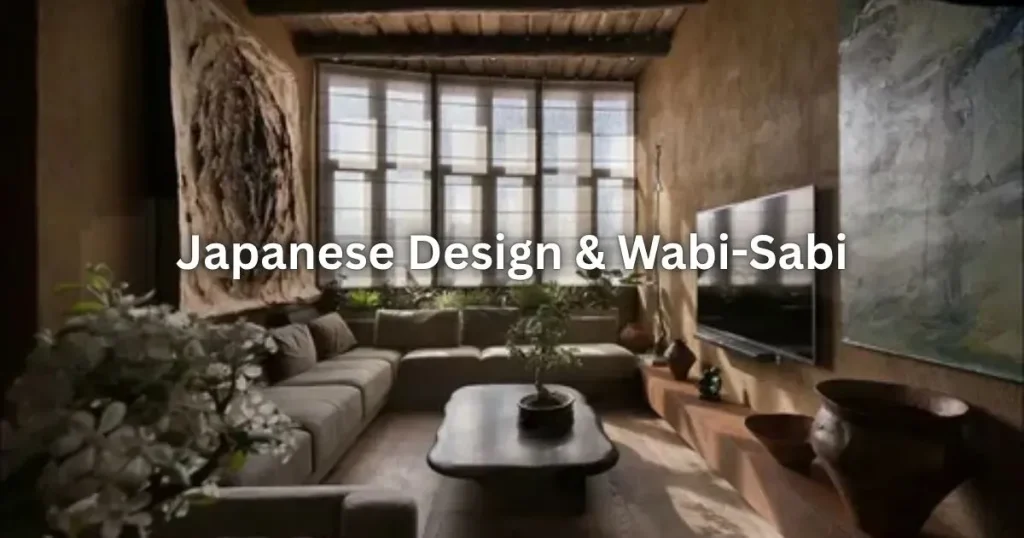
Wabi-Sabi Color Palette
Dusty earth tones, mushroom gray, faded indigo, and off-white.
Key Wabi-Sabi Materials
Raw silk, unglazed clay, rough hewn wood, and washi paper.
How to Identify Wabi-Sabi Furniture
Imperfect edges, handcrafted asymmetry, and low platforms.
Wabi-Sabi is the ultimate biophilic connection. It is not about perfection but the beauty of impermanence. Unlike maximalist vs. minimalist where maximalist collects, Wabi-Sabi edits heavily. It respects negative space and natural patina.
Boho, Maximalist & Cottagecore
Boho Color Palette
Terracotta, turquoise, mustard, and fuchsia.
Key Boho Materials
Rattan, macrame, Moroccan wool, and tasseled cotton.
How to Identify Boho Furniture
Low seating, floor cushions, carved wood, and mismatched side tables.
Boho vs. Maximalist are cousins. Boho focuses on travel-inspired pattern mixing (Moroccan + Ikat). Maximalist focuses on “more is more” with art and collections. Cottagecore is a softer, rural version of this—think English cottage with floral chintz, reclaimed wood, and vintage tea sets.
Urban Modern & Lodge Style
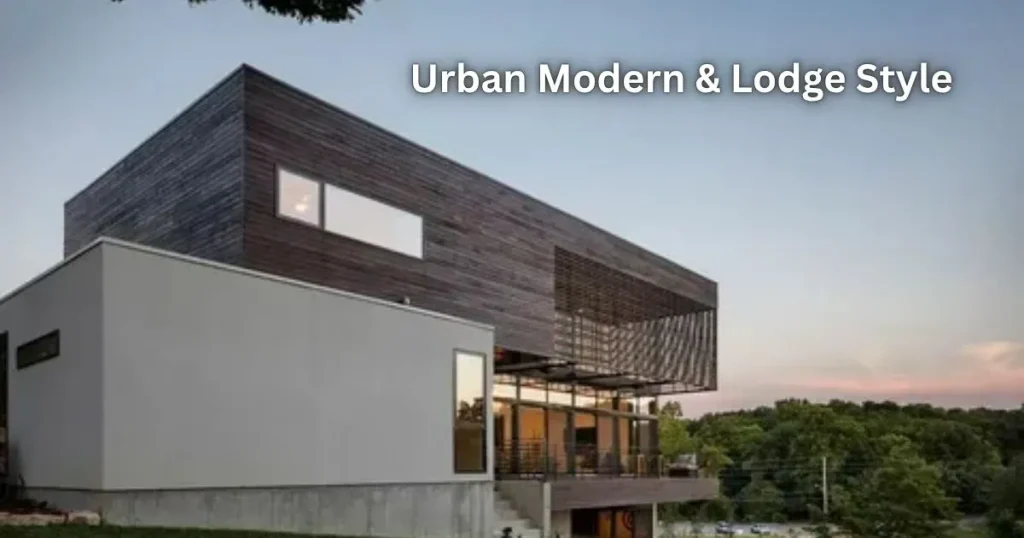
Urban Modern Color Palette
Charcoal, navy, concrete gray, and mustard accent.
Key Urban Materials
Polished concrete, black steel, leather, and eucalyptus wood.
How to Identify Urban Modern Furniture
Clean lines, modular sofas, and multi-functional storage.
Urban Modern is for small apartments. It maximizes scale and proportion by using leggy furniture that reveals floor space. Lodge style is the opposite—massive stone fireplaces, reclaimed wood beams, and plaid textiles. The two mix well: add a lodge-style fur throw to an urban modern concrete loft.
Postmodern, Bauhaus & De Stijl

Postmodern Color Palette
Pastel neon, Memphis group colors (pink, yellow, blue), and black.
Key Postmodern Materials
Plastic laminate, terrazzo, and bent plywood.
How to Identify Postmodern Furniture
Atypical shapes (squiggles, arches), bold color blocking, and ironic details.
Bauhaus (1930s Germany) believed “form follows function.” De Stijl (Dutch) reduced design to primary colors and straight lines. Postmodern (1980s) laughed at both. It introduced playful furniture silhouettes like the Memphis Milano bookshelf. This is the go-to style for eclectic collectors.
Dark Academia

Dark Academia Color Palette
Hunter green, burgundy, mahogany brown, and brass gold.
Key Dark Academia Materials
Leather, wool, oak, and stained glass.
How to Identify Dark Academia Furniture
Rolling library ladders, wingback chairs, glass-front cabinets, and heavy drapes.
Dark Academia is a period revival of Gothic and Classical university libraries. It uses layering extensively: a Persian rug over a sisal rug, oil paintings against dark walls, and stacks of leather-bound books. It is the opposite of minimalist.
Which Interior Design Style Is Right for Me? (Quiz-Style)
Ask yourself these three questions:
- Do you hate clutter? If yes → Minimalist, Scandinavian, or Wabi-Sabi.
- Do you love color and souvenirs? If yes → Boho, Maximalist, or Cottagecore.
- Do you prefer sharp lines or soft curves?
- Sharp lines → Art Deco, Mid-Century, Bauhaus.
- Soft curves → Hollywood Glam, Traditional, Lodge.
Can You Mix Two Different Interior Design Styles?
Yes, but you must maintain one consistent element. For example:
- Mix Modern + Rustic: Keep scale and proportion the same (both use large furniture).
- Mix Industrial + Glam: Keep color palettes the same (both use black + gold).
- Avoid: Mixing Japanese (low, natural) with Postmodern (loud, plastic) without a bridging element like neutral wall color.
What Is the Difference Between Modern and Contemporary Design?
This is the most common confusion in interior design styles.
| Feature | Modern (Specific era: 1930s-1960s) | Contemporary (Now) |
|---|---|---|
| Definition | A fixed historical style (Mid-Century) | Ever-changing “of the moment” |
| Materials | Wood, leather, metal | Concrete, glass, sustainable bamboo |
| Lines | Clean, specific tapered legs | Smooth, soft, curved edges |
| Mood | Warm, nostalgic for the future | Cool, experimental, fluid |
Modern is a noun (a specific style). Contemporary is an adjective (what is trending right now).
Which Interior Design Styles Are Timeless?
According to designers, these styles never go out of fashion because they rely on scale and proportion and architectural details rather than trends:
- Scandinavian (functional and cozy)
- Traditional (symmetrical and balanced)
- Japanese/Wabi-Sabi (honest materials)
- Mid-Century Modern (organic shapes)
What Is the 60-30-10 Rule in Interior Design?
This rule is essential for color palettes in any style:
- 60% Dominant color: Walls, large sofa, area rug (e.g., beige in Scandinavian).
- 30% Secondary color: Curtains, armchairs, bedding (e.g., sage green).
- 10% Accent color: Pillows, art, lighting fixtures (e.g., burnt orange).
For maximalist vs. minimalist spaces: Minimalists use 60% neutral. Maximalists invert the rule (60% bold color, 10% neutral).
How to Transition from Traditional to Transitional Style
To achieve Transitional design (the perfect balance of old and new):
- Remove 30% of your traditional ornamentation (fringe, tassels, heavy carvings).
- Introduce one modern lighting fixture (a Sputnik chandelier or a globe pendant).
- Swap floral patterns for solid textures and materials like linen or velvet in neutral tones.
- Add negative space – clear a bookshelf of 50% of its objects.
| Category | Key Terms Used in This Guide |
|---|---|
| By Era | Vintage, Retro, 1970s revival, Art Nouveau |
| By Material | Rattan, Marble, Terrazzo, Velvet, Clay plaster |
| By Region | Mediterranean, Moroccan, English cottage |
| By Mood | Cozy, Dramatic, Serene, Eclectic, Rustic |
| By Room | Living room styles, Bedroom aesthetics, Kitchen design themes |
| Mediterranean style |
| French Country |
| Arts and Crafts |
| Shabby Chic |
| Southwestern |
| Regency |
| Japandi |
| California Coastal |
| Farmhouse / Modern Farmhouse |
| Memphis style |
| Grandmillennial |
| Alpine Chic |
| Palm Beach |
| Southern Traditional |
| Americana |
| English Cottage |
| Neo-Industrial |
| Transitional |
| Maximalist |
| Biophilic |
| Coastal |